I love the idea of informational interviews—though as an introvert, I find them daunting. If you’re interested in HR, here are my questions and answers.
Can you tell me a bit about your career path and what led you to the role you’re in today?
When I was applying to university in high school, I had no idea about HR. I enrolled in a double degree—a Diploma of International Business and a Bachelor of Business. Upon arriving at QUT, I was given a full year of credit and jumped straight into the second year. I enjoyed many of the HR subjects, which led me to choose it as my major. At the time, I was interested in psychology, but switching would have meant starting over. It seems crazy now, but back then, I was working part-time at Officeworks and couldn’t wait to move on.
After graduation, I landed a role at an insurance broker—not even in HR at first. However, this company was acquired by Suncorp, and I was made redundant, only to be redeployed into HR at Suncorp. I couldn’t believe my luck; it felt like falling into my dream job. Ironically, I soon grew to dislike it. So, I applied to and joined the company I just left. It, too, started as a dream job, but it took several more years before I decided I couldn’t do HR anymore—at least not in the traditional sense.
What were some of your early roles in the field?
My first role was as an HR Data Analyst, which required me to quickly learn Excel and Access. University hadn’t prepared me for these skills, so I took an online course at my own expense. I soon mastered the necessary skills and could write work instructions for anyone who needed them. This role led to my next position as an HR Officer, helping with the implementation of PeopleSoft. The roll-out was challenging, but the experience proved valuable when I moved to my next company.
What does a workday look like for you?
My workday primarily involves sitting at a computer (sometimes in the office, but mostly remote). In the morning, I review my emails and calendar, and create a plan to tackle my tasks. After years in this role, prioritising has become second nature to me. Each day can vary significantly as we navigate the intersection of human nature, company policies, and industrial legislation.
What are some of the big projects you’re proud of?
I’m passionate about process improvement. I thrive on learning new tasks, dissecting them, and finding ways to enhance them. My guiding principle is always “work smarter, not harder.” At my last organisation, I primarily focused on implementing digitalisation initiatives. I’m passionate about technology adoption and fascinated by how people interact with it.
What do you enjoy most about the work you do?
I love learning new things about the world of HR. I always read anything related to Industrial Relations or from Fair Work Australia. I also regularly read newsletters from the Australian Industry Group. I love discussing these changes with my team and brainstorming ideas together. As I progressed through my psychology degree, I grew to love the connections between HR and organisational psychology.
What do you enjoy least?
People who are uninformed or willfully ignorant. I also dislike dealing with challenging individuals who unnecessarily complicate situations. Additionally, I’ve grown to detest administrative tasks that serve no real purpose, or processes that are maintained solely due to tradition rather than effectiveness.
What surprised you should the role when you started?
My degree wasn’t as directly applicable as I’d expected, and I learned most of my skills on the job. However, having that degree was crucial—it’s what got me shortlisted for positions in the first place.
What skills do you think are most important for someone wanting to work in HR?
Being open-minded is important. Often, the answer isn’t obvious, or there’s a hidden reason behind a situation. You need to dig deeper when investigating to uncover the full picture. Attention to detail and self-advocacy are essential skills for HR.
Do you think there is a personality type thats not well suited to this kind of career?
HR benefits from diverse personality types. While companies often prioritise hiring extroverts skilled in conflict management, they truly need a mix of individuals capable of both critical thinking and strategic planning. Having an open mind over a fixed mindset will get you far.
What are some of the biggest challenges you face day-to-day?
The biggest challenges I faced were not having complete information or sufficient authority. Additionally, unfair compensation was a major issue, which ultimately led me to leave the organisation I had worked at for almost 15 years.
What about biggest rewards?
Making positive changes was always rewarding, especially when colleagues recognised and appreciated the improvements.
What do you wish you’d known when you were starting out?
Looking back, I wish I had spent more time at university reflecting on whether HR was truly the right fit for me. I feel like I somewhat stumbled into the field. It would have been beneficial to have had more comprehensive information about what the role actually entails.
Where do you see yourself in 5 or 10 years?
In a role more aligned with organisational psychology. I’m about to start a master’s degree in 2025, focusing on career development. Hopefully, something exciting will emerge from this new chapter.
Do you have any recommendations for others wanting to work in HR?
Consider exploring HR-related subjects during your studies to see if it truly interests you. Be prepared to learn on the job, as many practical skills are acquired through experience rather than formal education. Develop skills in Excel and other relevant software tools, which may not be taught in university but are essential in HR roles. Stay informed about industrial relations and relevant legislation by regularly reading industry publications.
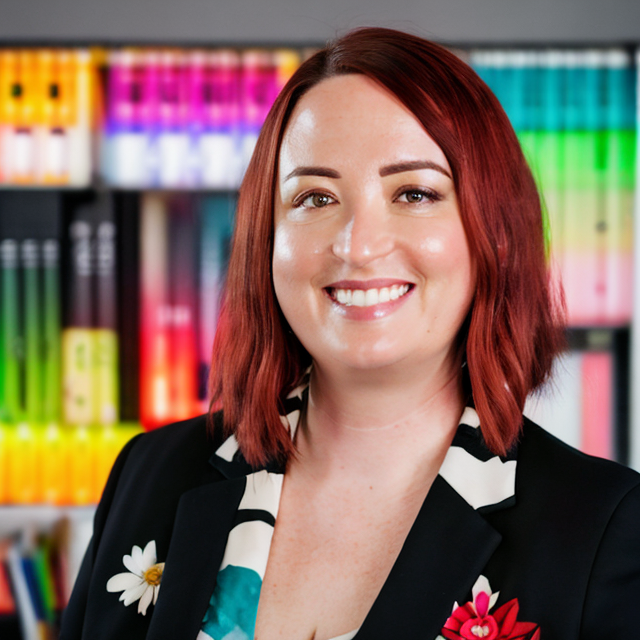
By Sarah Lenihan
 What did you learn?