
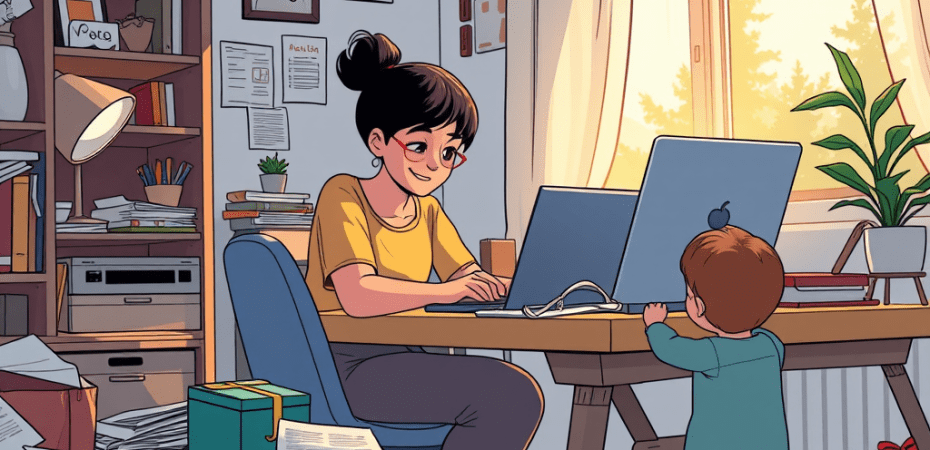
The rise of flexible work has been one of the most positive shifts in modern workplaces. Parents and carers can now log in from home, juggle appointments, and avoid long commutes. But there’s a grey area that comes up again and again:
👉 Can you care for children while you’re working from home?
It’s a fair question — and one that many managers struggle to answer consistently.
The Law: What Counts as “Work”?
The Fair Work Act 2009 makes it clear that paid hours must be spent performing work duties. Time spent caring for children or dependants doesn’t count as work, even if you’re logged in from home.
Put simply: you can’t be both the employee and the carer at the same time.
References:
- Fair Work Act 2009 (Cth), ss.62–63
- Fair Work Ombudsman – Hours of work, breaks & rosters
Flexibility Is a Right – But With Limits
Parents of a child under school age (or under 18 with a disability) have the right to request flexible working arrangements under section 65 of the Act.
That might mean:
- earlier or later start and finish times,
- compressed work hours, or
- working from home on agreed days.
But here’s the catch: flexibility doesn’t mean you can “fit work around family life” however you like. The arrangement still has to allow you to do your job and record your hours accurately.
Reference:
- Fair Work Act 2009 (Cth), s.65
- Fair Work Ombudsman – Flexible working arrangements
What If I Need to Care for My Child During Work Hours?
That’s where leave entitlements come in. If you need to care for a child, you must use:
- Personal/Carer’s Leave (s.97),
- Annual Leave (s.88), or
- Unpaid Carer’s Leave (s.102).
It’s not about being harsh — it’s about making sure work time reflects actual work performed.
Reference:
- Fair Work Act 2009 (Cth), ss.97, 88, 102
- Fair Work Ombudsman – Sick & carer’s leave
Working From Home Still Means Working
Whether you’re in the office or the living room, the expectations are the same:
- Be contactable during agreed hours.
- Record time honestly.
- Meet performance standards.
Short breaks (like school pickups) can usually be managed if recorded properly. But extended caring duties need to be covered by leave.
Reference:
Why This Matters
When boundaries blur, it creates problems:
- Managers can’t be sure when staff are working.
- Colleagues without caring duties may feel unfairly treated.
- Employees risk breaching workplace obligations by “double counting” caring time as work.
Flexible work is powerful — but it works best when there’s transparency, fairness, and honesty on both sides.
✅ Bottom line: Flexible work arrangements give parents and carers important options, but they don’t remove the need to separate work from caring. Paid hours must reflect paid work. If you’re caring, that’s what leave is for.
 What did you learn?