
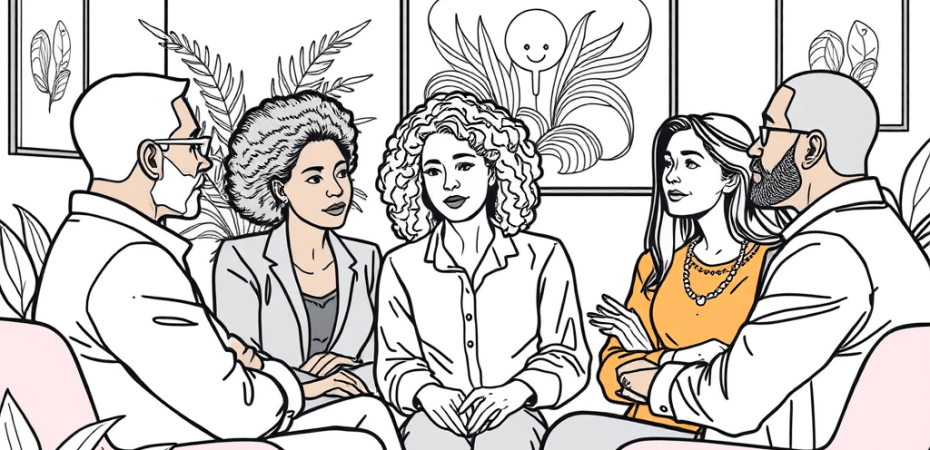
In HR and leadership circles, psychological safety has become something of a buzzword. And rightly so — people need to feel safe to speak up, share ideas, and challenge the status quo. But for many employees, safety isn’t a mindset they can choose. It’s a state of the nervous system — one shaped by past experiences, biology, and context.
If we want to lead effectively, we need to understand what happens in the body when people are overwhelmed, disregulated, or retraumatised at work. We need to become trauma-informed.
Trauma Is an Adaptation — Not a Disorder
Trauma isn’t just about what happened to someone. It’s about what happens inside them as a result.
At its core, trauma is a physiological response to threat. It occurs when the nervous system becomes overwhelmed and can’t complete its natural cycle of fight, flight, or freeze. This survival energy gets trapped in the body and nervous system. Over time, if it’s not resolved, it can start to shape how people see the world, themselves, and others.
Importantly, trauma is subjective. What overwhelms one person may not overwhelm another. It depends on many factors — support systems, nervous system capacity, early attachment, and more.
It’s not just the “big stuff” like war, assault or car accidents. Developmental trauma — experiences of neglect, emotional abuse, chronic stress, or inconsistent caregiving — is just as impactful, particularly when it occurs in the early years before we have language or memory.
Trauma Is More Common Than We Think
In a typical team, it’s likely that:
- Several employees have experienced childhood trauma
- Some live with complex PTSD or anxiety disorders
- Many are managing chronic stress, burnout, or unprocessed grief
- Some carry the legacy of intergenerational trauma or cultural harm
They may not talk about it. But it’s there. And it shows up in the way people relate, communicate, manage conflict, and cope with feedback, deadlines, or change.
How Trauma Shows Up at Work
When someone is operating from a trauma-impacted nervous system, the parts of the brain responsible for regulation and reasoning — like the prefrontal cortex — go offline. The amygdala (our threat detector) takes over.
Polyvagal Theory explains how people oscillate between:
- Hyperarousal (fight/flight): appearing anxious, irritable, aggressive, micromanaging, over-controlling.
- Hypoarousal (freeze/fawn): appearing disengaged, passive, overly agreeable, shutdown or exhausted.
These aren’t attitude problems. They’re survival adaptations. When leaders misinterpret them as laziness, incompetence or resistance, they risk reinforcing the very patterns they’re trying to solve.
Leadership Needs a New Lens
A trauma-informed leader understands these nervous system states — in themselves and in others. They don’t just look at behaviour; they ask what’s underneath it. They notice their own triggers, patterns and responses. They model regulation, not just professionalism.
Being trauma-informed isn’t about therapy at work. It’s about creating environments that reduce harm and increase safety. It’s about shifting from “What’s wrong with you?” to “What’s happened to you?” — and then asking, “What do you need right now?”
Core Principles of Trauma-Informed Leadership
Borrowing from SAMHSA’s trauma-informed framework, here are six principles that can transform how we lead:
1. Safety
Create environments where people feel physically, emotionally and psychologically safe. This includes consistent routines, respectful communication, and environments where people aren’t punished for being human.
2. Trust and Transparency
Say what you’ll do. Do what you say. Be clear. Be honest. Be willing to name when you don’t know.
3. Choice and Empowerment
Where possible, offer autonomy. Let people choose how they contribute, how they connect, and how they pace their work. Agency is a powerful antidote to trauma.
4. Collaboration and Mutuality
Reduce hierarchy where it’s safe to do so. Ask rather than tell. Invite participation. People heal in safe relationships, not power dynamics.
5. Peer Support
Make room for shared experiences. Encourage mentoring, team debriefs, and informal check-ins. People feel safer when they’re not alone.
6. Cultural, Historical and Gender Awareness
Trauma doesn’t occur in a vacuum. Understand how identity, history, and systems of oppression shape people’s experiences of safety.
The Bottom-Up Approach: Why the Body Leads
Traditional leadership models often rely on top-down approaches: change your mindset, shift your behaviour, push through discomfort. But trauma lives in the body, not the mind. To truly support healing and resilience, we need bottom-up strategies that regulate the nervous system first.
This includes:
- Breathwork (e.g. 4-7-8 breathing to calm the system)
- Grounding techniques (like naming five things you can see or feel)
- Embodied presence (staying connected to your own body in interactions)
- Micro-moments of regulation (a sigh, a pause, a reset before meetings)
When leaders model these, it creates co-regulation — a ripple effect that helps others feel safer too.
A Note on Traps and Boundaries
Trauma-informed leadership doesn’t mean absorbing everyone’s pain or fixing everything. In fact, that can cause harm. Your role isn’t to rescue. It’s to witness, to support, and to stay grounded in your own nervous system so you can respond rather than react.
Be mindful of the common traps:
- Over-validating victim stories without supporting growth
- Pushing a personal agenda instead of holding clear intention
- Taking responsibility for things outside your control
- Going places with others that you haven’t explored in yourself
What’s at Stake (and What’s Possible)
We’re not just talking about improving engagement or retention — though those are outcomes. We’re talking about reducing harm. We’re talking about shifting the culture of work from performative to human.
Done well, trauma-informed leadership can:
- Improve team cohesion and communication
- Reduce reactivity, conflict and burnout
- Build real trust, not just surface-level civility
- Increase innovation through emotional safety
- Align work with wellbeing — not at its expense
Ultimately, this isn’t just about being a better leader. It’s about creating workplaces where people can heal, grow, and contribute meaningfully — not despite their trauma, but with space to integrate and move forward.
Being trauma-informed is a journey, not a checkbox. It’s about cultivating awareness, humility and presence. It’s about holding space for complexity. It’s about choosing curiosity over judgement, embodiment over performance, and connection over control.
And in a world that’s only getting more complex, that kind of leadership isn’t optional. It’s essential.
 What did you learn?