I acknowledge Aboriginal and Torres Strait Islander people as the Traditional Custodians of the land and extend our respect to all Elders and First Nations Peoples across Australia.
National Reconciliation Week is commemorated each year from 27th May to 3rd June. These dates remain each year and align with two significant milestones in Australia’s reconciliation journey. On 27th May 1967, the Australian Government held a referendum that sought to change sections of the constitution in relation to Aboriginal and Torres Strait Islander peoples.
More than 90% of Australians voted yes to these changes – Aboriginal and Torres Strait Islander peoples would be counted as part of the population, and the Commonwealth would be able to make laws for them. This referendum was one of the most successful national campaigns in Australia’s history. Mabo Day is marked annually on 3rd June. Mabo Day commemorates Mer Island man Eddie Mabo’s successful efforts in recognition of the rights of Aboriginal and Torres Strait Islander peoples as the traditional owners of their land. The decision by the High Court of Australia to not apply terra nullius, the legal fiction of ‘land belonging to no-one’.
Terra nullius had been declared since the British arrived in Australia, which as a result, meant Aboriginal and Torres Strait Islander people’s occupation of and unique connection with the land was not recognised. The Mabo decision led to the Australian Parliament passing the Native Title Act in 1993. The 2024 National Reconciliation Week theme is ‘Now More Than Ever’. This theme is a powerful call to action and is reminding everyone of the continued importance of the fight for Reconciliation.
It is not only up to the 3.2% of the Australian population who is Indigenous to fight for the rights of Aboriginal and Torres Strait Islander people – achieving Reconciliation requires effort from all Australians. National Reconciliation Week is a time for allies to stand up and take meaningful actions to generate an inclusive and culturally safe society. A society where First Nation’s culture, rights, and values are respected and celebrated.
So how could you be an ally, as a non-indigenous person and support our Aboriginal Torres Strait Islander friends, neighbours, and co-workers?
Learn more about Australia’s history
Read or participate in a course to learn about Australia’s history, the impact of colonization, and the stolen generation, on First Peoples. Show compassion by learning this history through their perspectives. Explore educational resources to enrich your understanding.
Dr Tracy Westerman is an excellent place to start to understand the lived experience of an Aboriginal woman trying to keep her family together during the Stolen Generation. The 2022 film ‘The Last Daughter’ also provides a powerful, factual account of the impact on First Nations during this time.
Write and deliver personalised Acknowledgements of Country
An Acknowledgement of Country can be shared at the start of meetings. It is a statement that shows your respect for and solidarity with the Aboriginal Traditional Owners of the land in which the meeting is being held. If you are holding a meeting virtually, encourage those participating to share and acknowledge the Land they are working/living on.
Go to Aboriginal and Torres Strait Islander Events
During National Reconciliation Week events are occurring around the country, as well as online. Encourage your workplace, friends, and loved ones to attend events with you.
Support First Nations Organisations
If you are in the position to donate, either financially or with your time, many First Nations organisations work in various areas of the community. This includes health, education, social services, training, or with disadvantaged populations such as the incarcerated or homeless. Search online to find organisations in your community.
Above all, to be a brave strong ally for Aboriginal and Torres Strait Islander peoples and issues, engage in these activities every week of the year. As Australia continues its united reconciliation journey it is important for every Australian to listen, reflect, and learn about our shared past so that we can move towards a reconciled future.
My customised acknowledgement of country
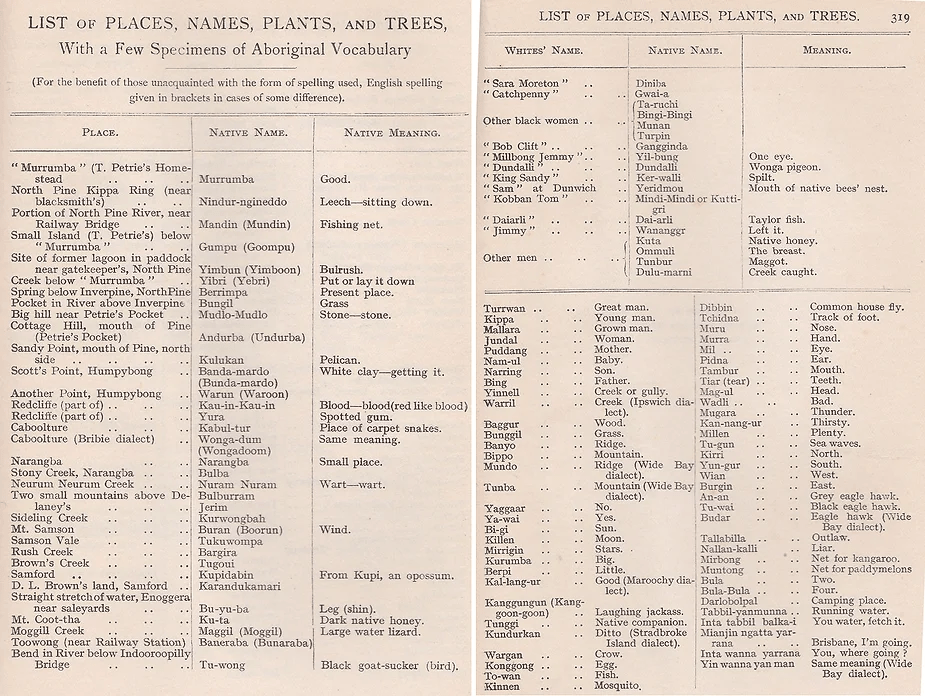
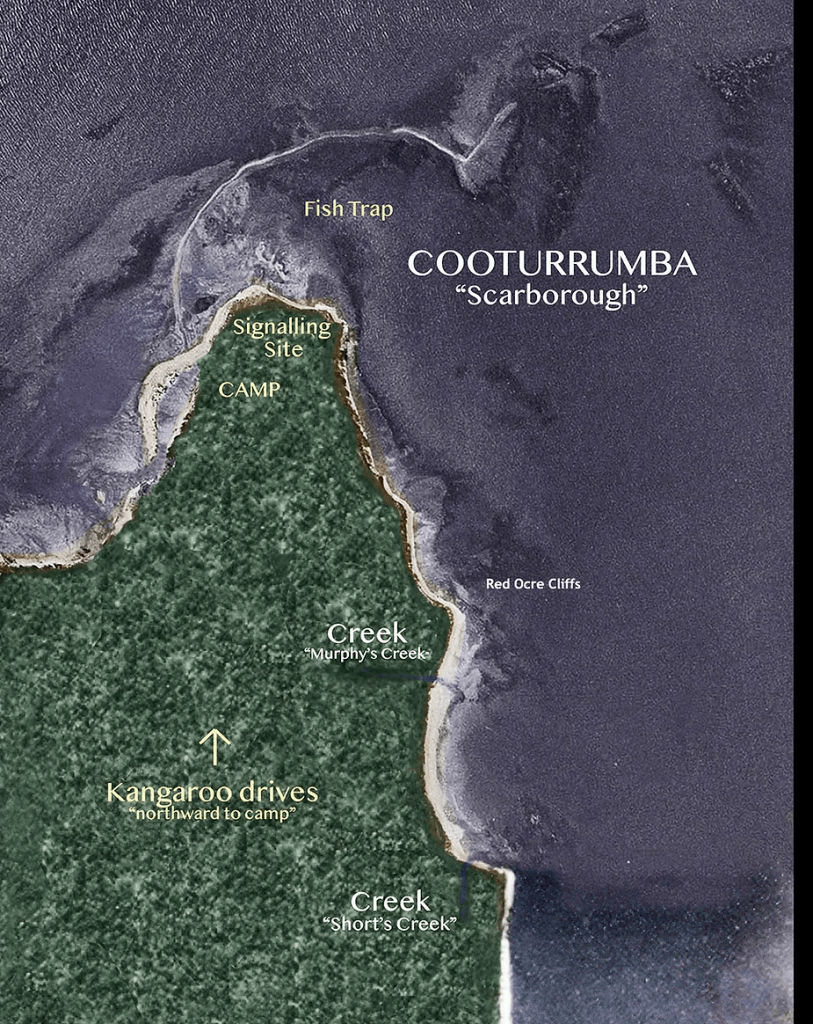
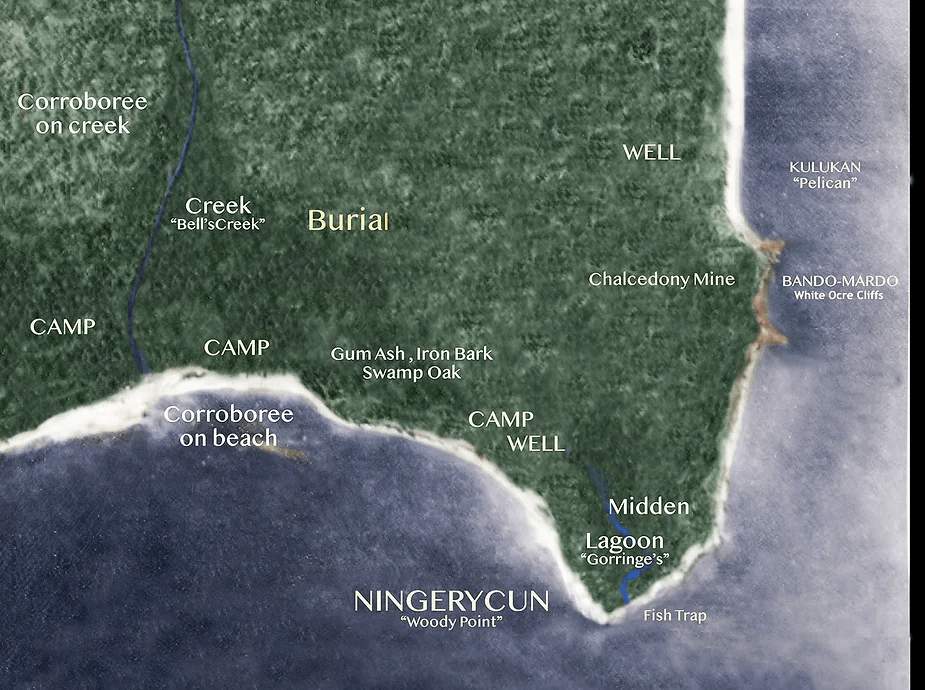
Before European settlement in 1824, my home, the area now known as Redcliffe was home to the Gubbi Gubbi and the Ningy Ningy people, part of the Undambi people. These First Nations peoples enjoyed the abundant foods available in and around the waters of the Redcliffe Peninsula.
The suburb of Kippa-Ring derives its name from the ceremonial bora-ring on the peninsula, where neighbouring groups conducted rituals. The word ‘Kippa’ refers to a young man. Kurbingaibah, a Ningy Ningy/Turrbal word, means a place of the Kippa Rings and holds cultural and spiritual significance to the Ningy Ningy people.
The name Humpybong is derived from the Aboriginal words ngumpin, simplified to ‘oopie-bong’. ‘Humpy’ or ‘oompie’ means shelter, and ‘bong’ is presumed to mean vanished, together meaning deserted shelters. This referred to the buildings left by the first European settlers when they relocated to the Brisbane River. While Redcliffe was always the official name of the Peninsula, Humpybong was used by settlers and locals well into the 1930s.

 What did you learn?