
Modern times present a multitude of challenges, but one of the most difficult is the widespread perception of unfairness that seems to pervade every aspect of our society. This sense of injustice is deeply ingrained in our evolutionary psychology and is known as “inequity aversion.”
Inequity aversion is a natural tendency in which people expect rewards or compensation to be in proportion to their effort. This principle applies to various social disciplines such as remuneration, standardisation by law, and law enforcement agencies for ensuring people’s safety. When this expectation is violated, it can trigger intense emotional responses, particularly anger.
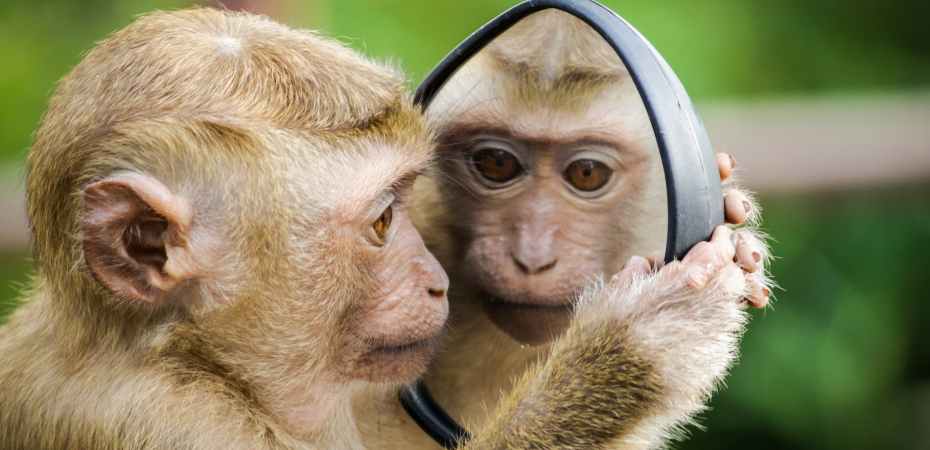
While this phenomenon is not unique to humans, it has been observed in children as young as three years old, as well as in monkeys, birds and dogs. The aversion to inequity appears to have evolved as a mechanism for maintaining cooperation within societies.
For humans, however, there is an additional aspect to this phenomenon: we can feel anger and indignation not just from our own direct experience with injustice but also on behalf of others. This empathy-driven response not only recognises injustice but also motivates actions against it, even at significant personal cost.
In terms of neurological processes, the anterior insula, a brain region associated with empathy and disgust, is involved in processing perceptions of unjust treatment. Meanwhile, the amygdala, an area important for emotion processing, is triggered when injustice is perceived, resulting in feelings of anger.
In summary, our response to inequality is the result of a complex interplay between evolutionary psychology, social conditioning, and neural processes. Inequity aversion is a fundamental aspect of human nature, forming the basis for our social structures and personal relationships. Recognizing and respecting this innate aspect of human psychology is crucial for building a more fair and cooperative society during these times of upheaval.
 What did you learn?